

 Image 1 of 1
Rogier van der Weyden (1399/1400–1464) was a master of the Early Netherlandish tradition, celebrated for his altarpieces, triptychs, and portraits. Admired across Europe in his lifetime, his works were prized by patrons such as Philip the Good and came to define the emotional realism of the Northern Renaissance. Known for painting from life yet idealizing his subjects, Van der Weyden used color, tone, and composition to evoke deep human pathos.
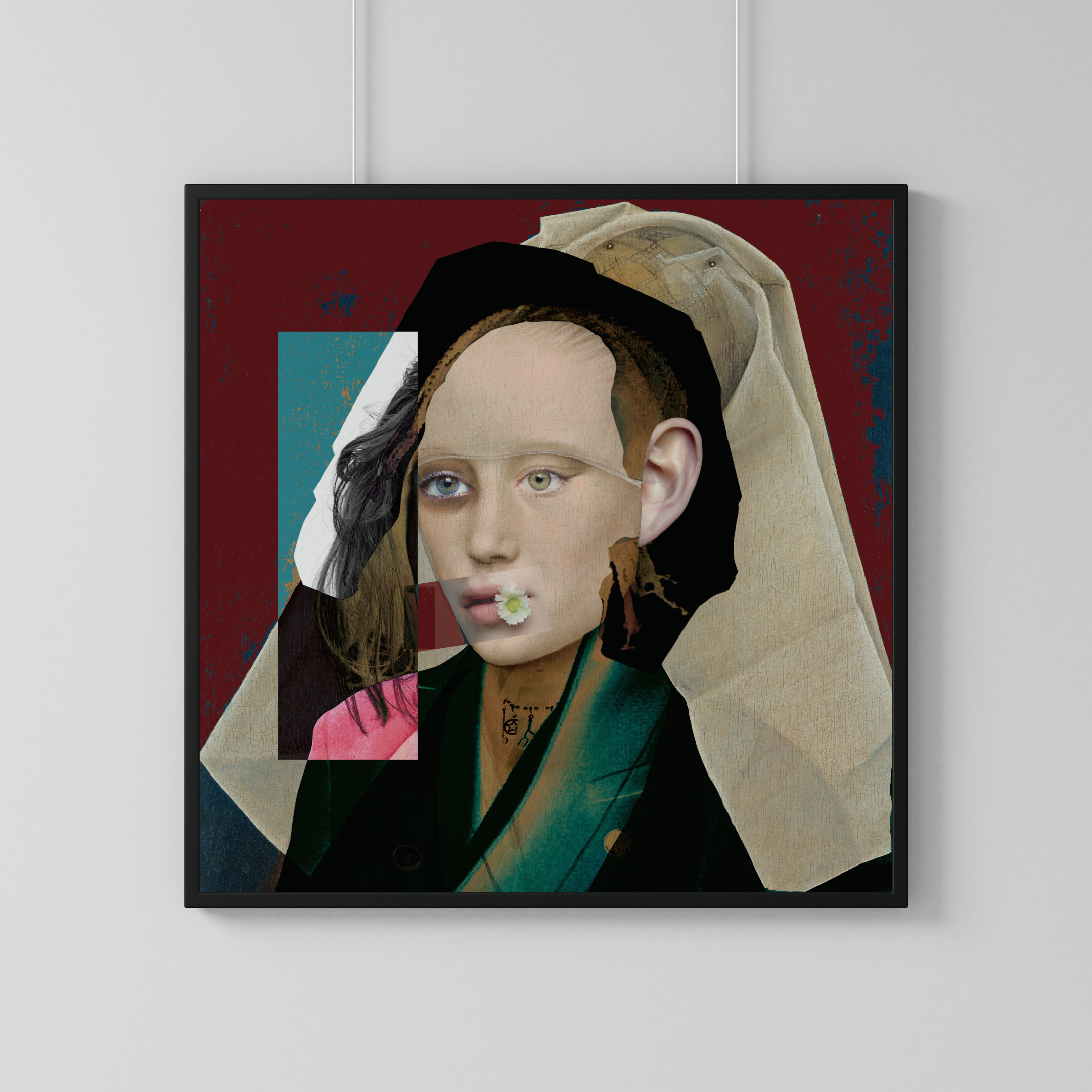
In The Phases series, Otto Lundbladh reinterprets Van der Weyden’s sensibility through a contemporary lens. His work transforms the painter’s meditative realism into a reflection on modern identity, where spiritual introspection meets digital self-construction.
Medium: Digital print on fine art paper
Size: 100 × 100cm
Edition: Edition of 150
Signature: Signed
Rogier van der Weyden (1399/1400–1464) was a master of the Early Netherlandish tradition, celebrated for his altarpieces, triptychs, and portraits. Admired across Europe in his lifetime, his works were prized by patrons such as Philip the Good and came to define the emotional realism of the Northern Renaissance. Known for painting from life yet idealizing his subjects, Van der Weyden used color, tone, and composition to evoke deep human pathos.
In The Phases series, Otto Lundbladh reinterprets Van der Weyden’s sensibility through a contemporary lens. His work transforms the painter’s meditative realism into a reflection on modern identity, where spiritual introspection meets digital self-construction.
Medium: Digital print on fine art paper
Size: 100 × 100cm
Edition: Edition of 150
Signature: Signed